
36 x 36 bathroom mirror
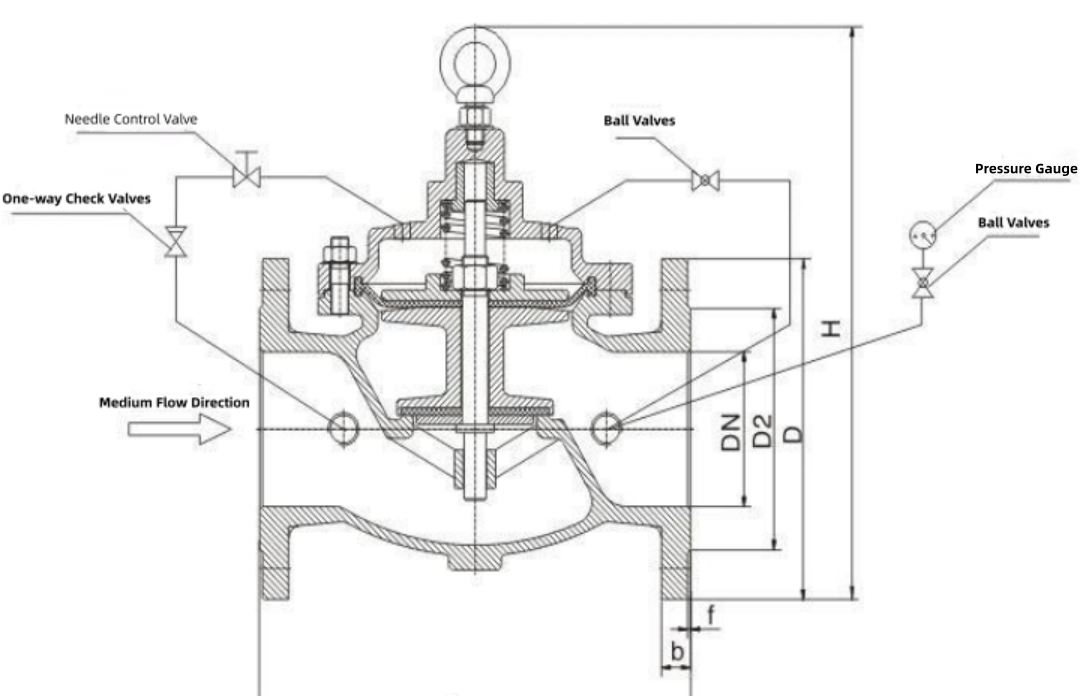
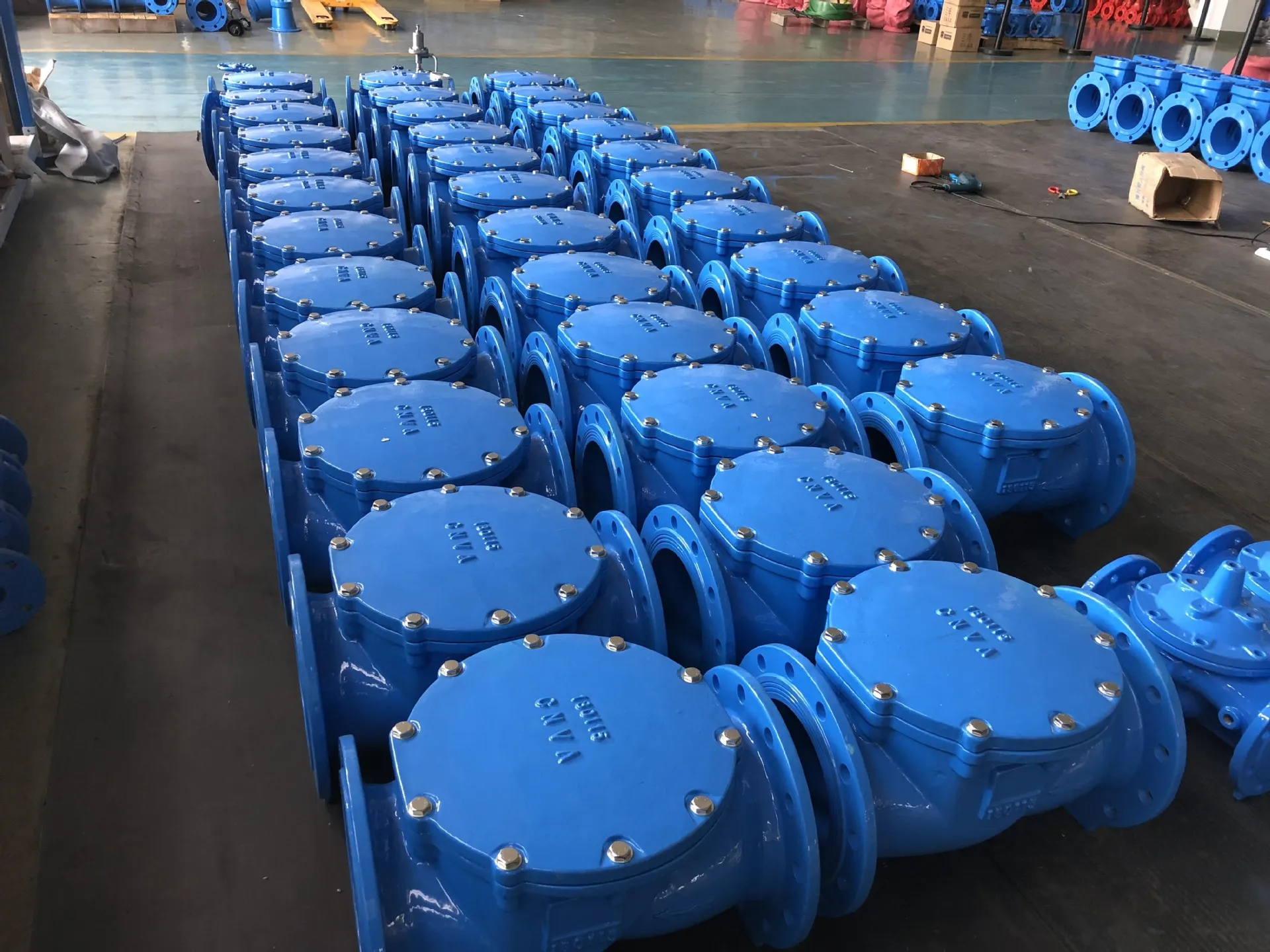
The Importance of Properly Turning on Water Valves and Their Role in Modern Plumbing Systems Water valves are a crucial component of any plumbing system, whether in residential, commercial, or industrial settings. They control the flow of water, allowing us to manage our water supply efficiently. One of the simplest yet most important tasks when dealing with plumbing fixtures and systems is knowing how to properly turn on a water valve. This article will discuss the significance of these valves, the correct methods to operate them, and tips for maintenance. Understanding Water Valves Water valves come in various types, including gate valves, globe valves, ball valves, and check valves. Each type serves a specific purpose and operates differently. Gate valves are often used for on/off control, while ball valves provide quick shut-off with minimal pressure loss. Globe valves, on the other hand, are better suited for regulating flow, making them ideal for throttling applications. Regardless of the type, all water valves are integral to managing water flow. They can isolate sections of a plumbing system for repairs, control the flow to appliances, and ensure safe operation during emergencies—such as when a leak occurs. How to Properly Turn on a Water Valve Turning on a water valve may seem straightforward, but doing it correctly is vital for the longevity of your plumbing system. Here’s a step-by-step guide 1. Identify the Valve First, locate the water valve you need to operate. Water valves are typically found under sinks, behind toilets, or near the main water supply. 2. Check for Issues Before turning on the valve, inspect it for any visible issues, such as leaks or corrosion. This can prevent potential problems once the water is turned back on. 3. Use the Right Tool Sometimes, valves may require a wrench or a specialized tool to operate, especially older models. Ensure you have the appropriate tool or simply work by hand for newer or easier-to-manage valves. 4. Turn Slowly If it’s a quarter-turn ball valve, twist the handle 90 degrees; for a multi-turn valve, turn it to the left until it stops. Always ensure you turn slowly to avoid shocking the plumbing system, which could lead to bursts and leaks. turn on water valve 5. Check for Leaks After turning the valve on, observe the area for any leaks . If you notice water seeping out, turn the valve off immediately and assess the situation for necessary repairs. 6. Full Open Position If the valve is intended to be fully open, check that it reaches the fully open position without any obstruction. Tips for Maintenance Regular maintenance of water valves is essential to ensure their effective operation. Here are some tips - Exercise Valves Regularly Turn the valves on and off every few months to prevent them from seizing or becoming difficult to operate. - Inspect for Corrosion Examine the valves for signs of rust or corrosion. Addressing these issues early can prolong their lifespan. - Use the Right Lubricant If a valve is sticking, use a plumber’s grease that is safe for use on plumbing fixtures. - Know When to Replace If you find that a valve consistently fails or is damaged, consider replacing it with a new model to ensure efficient operation. Conclusion Turning on a water valve might seem like a trivial task, but it plays a significant role in managing your plumbing system. By understanding its importance and how to operate it correctly, homeowners and facilities can ensure that their water supply operates smoothly. Regular maintenance and inspections can go a long way in preventing unforeseen water-related issues, ultimately protecting your property and improving your plumbing's efficiency.
about
36 x 36 bathroom mirror
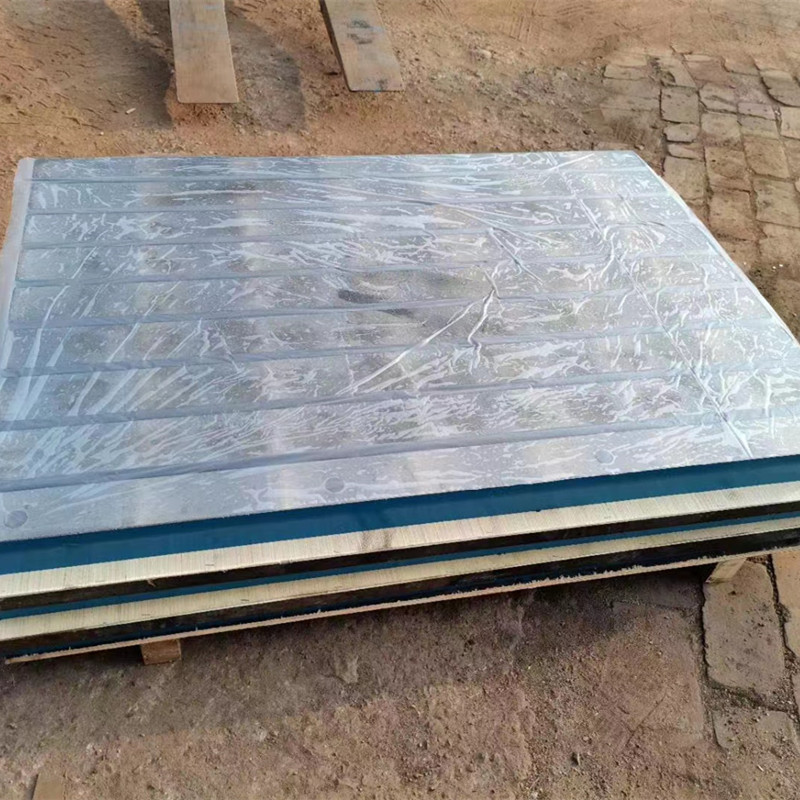
Making a Welding Table A Comprehensive Guide Welding is an essential skill in many industries, from automotive repair to metal fabrication. A good welding table can significantly enhance your work quality and efficiency. In this article, we’ll walk you through the process of making your own welding table, covering materials, construction steps, and tips to ensure it meets your needs. Materials Needed When constructing your welding table, choosing the right materials is crucial. Here’s a list of items you’ll need 1. Tabletop A steel plate is ideal. A thickness of 1/4 inch or more is recommended to withstand the heat and weight of various projects. Commonly, a 4x4-foot or 4x8-foot plate is used, depending on your workspace. 2. Frame You can either use square or rectangular steel tubes for the legs and supports. Tubes with a thickness of at least 1/8 inch are recommended for stability. 3. Wheels (optional) If you want your table to be mobile, add heavy-duty casters with locks. 4. Welding gear Ensure you have appropriate personal protective equipment (PPE), such as a welding helmet, gloves, and a fire-retardant jacket . 5. Tools You will need a welding machine, an angle grinder, a drill, measuring tape, and a level. Step-by-Step Construction 1. Design Your Table Before cutting any material, sketch out your design. Consider the size and shape that will work best for your projects. A square or rectangular table is usually most versatile. Ensure your design includes dimensions that allow enough workspace and room for larger projects. making a welding table 2. Prepare the Top Plate Cut the steel plate to the desired dimensions if it isn't already. Make sure to wear protective gear while cutting to avoid injuries. 3. Build the Frame Cut the steel tubes for the frame. You will need two long pieces for the length and two shorter pieces for the width, along with additional vertical supports based on your design. 4. Assemble the Frame Using your welding machine, start by welding the corners of the frame together. Ensure that each joint is secure and that the frame remains level. A square frame will ensure that your tabletop doesn’t warp as you work. 5. Attach the Tabletop Once the frame is complete and cooled, place the steel plate on top. Secure it by welding along the edges or using bolts if you prefer a removable top. Ensure the plate is flush and even with the frame to avoid any wobbling during use. 6. Add Legs (if applicable) For a stable work surface, attach steel tubes as legs. If you’re using wheels, attach the casters to the bottom of the leg tubes. Make sure the legs are evenly positioned, as this will impact the stability of your table. 7. Finish the Table Grind down any sharp edges and clean the surface of the table to remove any weld spatter. This will help prevent injuries and improve your working environment. 8. Test Your Table Before using your new welding table for substantial projects, test its stability with some lighter tasks. Ensure everything is securely attached, and adjust as necessary. Additional Tips - Add Accessories Consider adding features like a vise, electrical outlets, or a magnetic tool holder to enhance your table's functionality. - Surface Protection To prolong the lifespan of your welding table, consider applying a protective coating or paint designed for high temperatures. - Storage Solutions Utilize below-table storage solutions for tools and supplies, helping maintain a clean and organized workspace. Conclusion Creating your own welding table can be a rewarding project that not only improves your welding setup but also adds a personal touch to your workspace. By carefully selecting materials, following construction steps, and incorporating additional features, you’ll have a sturdy, functional table tailored to your specific needs. Happy welding!
-

High quality industrial productsagement

High quality industrial products
View Details -

Meet the diverse needs of customers

Meet the diverse needs of customers
View Details -

Strict quality control

Strict quality control
View Details -

Top raw materials

Top raw materials
View Details -

Trusted supplier

Trusted supplier
View Details
Our application


news and information
Versatile Clamps for 16mm Welding Tables to Enhance Your Metalworking Projects
Understanding 16mm Welding Table Clamps A Comprehensive Guide Welding is a fundamental process in me
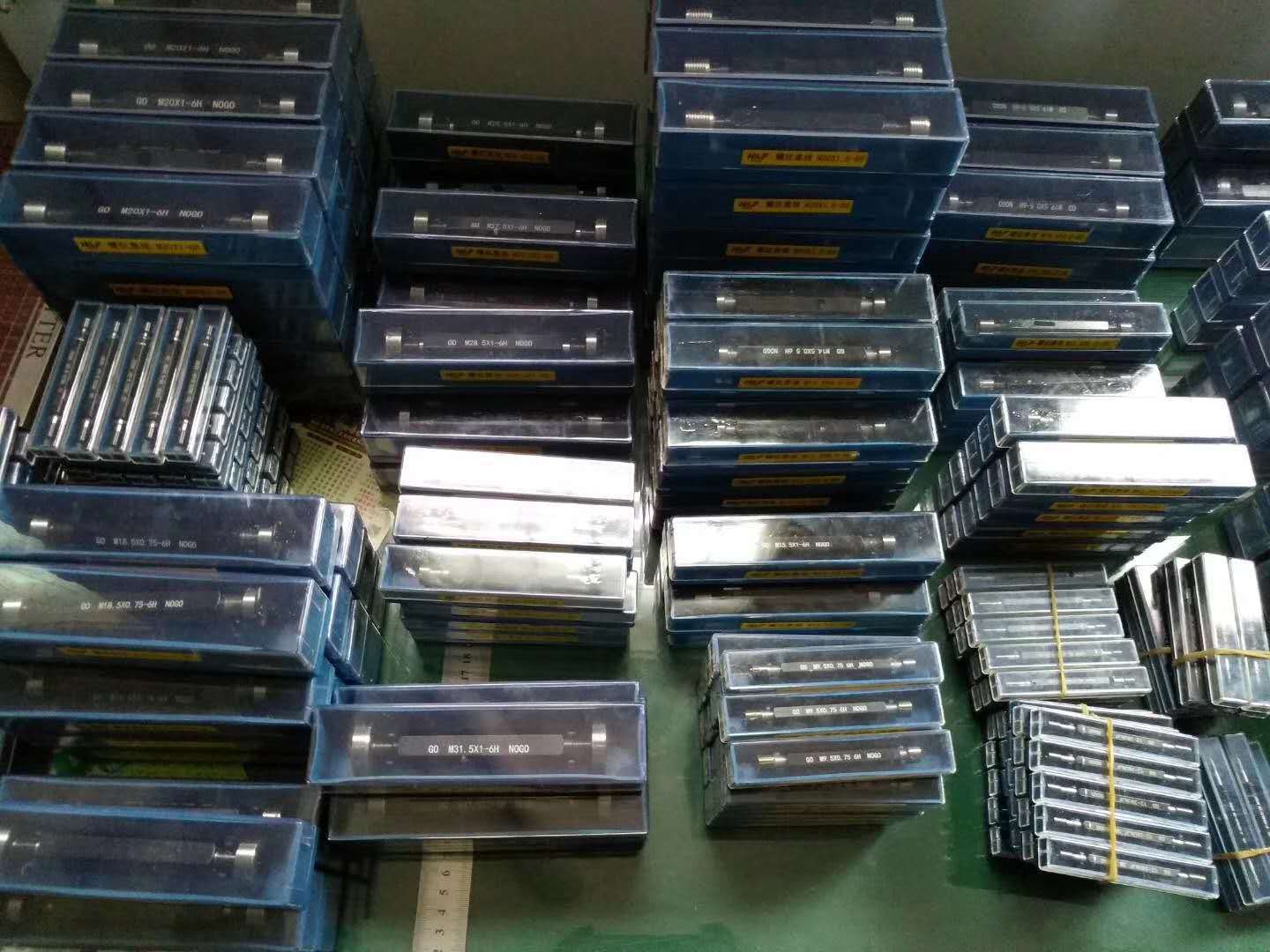
Using a Small Hole Gauge for Accurate Measurement in Precision Engineering Applications
The Importance of Small Hole Gauges in Precision Measurement In various industries, precision measur
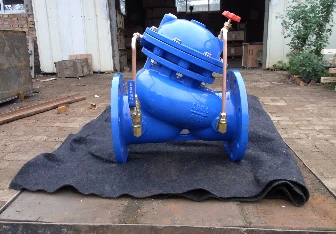
Where to Find the Best Valve for Sale
Valves are the unsung heroes of industrial operations, playing a critical role in controlling the fl
 English